Chaktty
Writing
Boerboel Rottweiler Mix FAQs - Farmpally
October 16, 2026
post photo preview
Farmpally

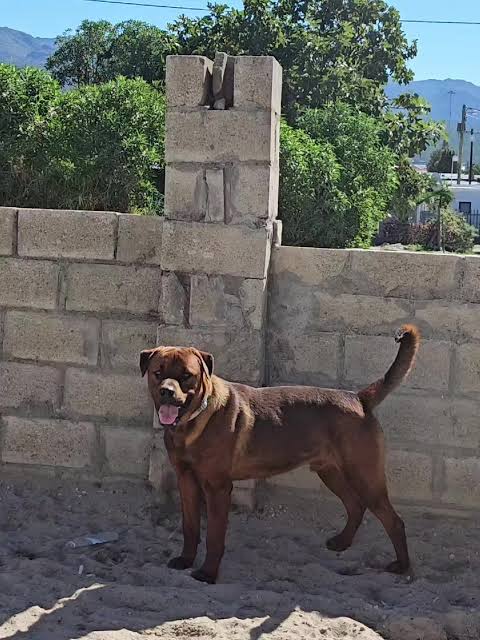
The Boerboel Rottweiler mix, often called "Boerweiler," is an intriguing and powerful hybrid breed that combines two of the most well-regarded working dogs: the Boerboel and the Rottweiler.

This mix has become increasingly popular due to the impressive characteristics of both parent breeds. 

However, like all mixed breeds, the Boerweiler comes with its own set of considerations, particularly in terms of training, care, and temperament.


Is Boerboel Rottweiler mix a large dog breed?

Yes, a Boerboel Rottweiler mix will generally fall in between the size of the two parent breeds.

Adult Boerboel dogs typically weigh around 110 pounds and stand about 23 to 27 inches tall at the shoulder.

Rott, for short, can weigh between 80 and 135 pounds and stands about 22 to 27 inches tall at the shoulder, Akin chaktty. 

Given this, a Boerboel Rottweiler mix can be expected to weigh anywhere from 90 to 150 pounds, with an average height of 23 to 27 inches.


What is the temperament of a Boerboel Rottweiler mix?

It is usually a combination of the characteristics of its parent breeds. It is loyal, intelligent, and protective. Boerweiler tends to be a fierce protector of its family and territory. 

It will instinctively protect its home and loved ones from perceived threats, making it an excellent guard dog.

Also, it is very loyal to its owner and the family. Once bonded with its owners, it can be affectionate, loving, and great with children.

However, it can be wary of strangers, both unfamiliar people and animals.

One thing I like about this mix is the ability to learn commands easily and it's an obedient dog when trained properly.

While intelligent, the Boerweiler can also be somewhat independent and stubborn, especially if it takes after the Rottweiler parent.

AD_4nXcVpIluOAVUEfkFU518xn9jg-yQ5u3ehEdtX4pTsJbxkdfpjFEbO-4dpmTW30I2txMfxVfbUWjSa3z04Nacthma4UFKF81jId8-picK6TqUQQT1UNYFKqwq-xY9t9Kjs1V0khtMYbs=s2048?key=j0Kw_9mVqKQhmw_lSpcUal1o

Are Boerboel Rottweiler mixes good family dogs?

Yes, Boerboel Rottweiler mixes can make excellent family dogs when properly trained and socialized. 

Due to their loyalty and protective nature, they are typically very devoted to their families and will go to great lengths to keep them safe. 

This makes them good companions for families who have experience with large, strong dogs.

However, you should acquire a pup if you want to raise this breed since early exposure to various people, situations, and environments is essential to their bonding with family. 

Like all large breeds, they may unintentionally knock over small children or become overly excited during playtime.


How much exercise do you give Boerboel Rottweiler mix?

This crossbreed is a high-energy breed that requires a significant amount of exercise to stay healthy and happy.

As both parent breeds are working dogs, the Boerweiler will need daily physical activity to burn off energy and maintain its physical and mental health.

As a rule of thumb, ensure your canine friend has at least 1 to 2 hours of exercise per day. This can include multiple walks, runs, or hiking sessions.

In addition to walks, Boerweilers enjoy interactive play, such as fetch, tug-of-war, and swimming. 

These activities help to stimulate their minds and bodies.

Also, trying to incorporate training sessions, puzzle toys, or obedience exercises into their routine is essential to prevent boredom.


Does Boerboel Rottweiler mix need grooming?

It has a short, dense coat that is relatively easy to maintain compared to long-haired breeds.

However, their shedding habits can still be significant, and regular grooming is necessary to keep their coat healthy and reduce shedding.

Regular brushing is also essential. 1-2 times a week is good enough to remove loose hair and minimize shedding.

This also helps distribute natural oils throughout the coat, keeping it shiny and healthy.

Bathe your Boerweiler as needed, I recommend you do that every 3 or 4 weeks, or when it becomes dirty or smelly.

Overbathing can strip the natural oils from their coat, so, avoid excessive washing.

Don't forget to check and clean their ears to avoid infections, especially if they tend to get wet or accumulate debris.

Same with nail trimming to keep it safe and comfortable for them. According to Farmpally, overgrown nails can lead to joint issues or discomfort when walking.


Are Boerboel Rottweiler mixes healthy dogs?

In general, Boerboel Rottweiler mixes are relatively healthy dogs, but they can be prone to certain health issues that are common in their parent breeds.

As with any breed, early veterinary care, proper nutrition, and regular exercise can help mitigate health risks.

Many large dog breeds like Boerweiler may suffer from hip and elbow dysplasia at old age. 

Rottweilers are known to be prone to certain heart conditions, including cardiomyopathy, which can affect the Boerweiler mix.

Large and deep-chested dogs, like the Boerweiler, are at a higher risk of bloat and should be fed smaller, more frequent meals to help reduce the risk.

Obesity can exacerbate joint problems and lead to other health issues, so it’s essential to monitor their diet and exercise levels.

If you're in the US, you can be jailed for overfeeding your dogs, and causing them discomfort to live their normal life.


How long do Boerboel Rottweiler mixes live?

The average lifespan of a Boerboel Rottweiler mix is typically around 9 to 12 years. 

Like all dogs, their lifespan will depend on factors such as genetics, diet, exercise, and overall health care. 

By providing proper veterinary care, a balanced diet, and regular exercise, you can help ensure that your Boerweiler enjoys a long and healthy life.


Conclusion

The Boerboel Rottweiler mix is a powerful, loyal, and intelligent breed that makes an excellent family companion for those who have experience with large, strong dogs.

While they can be protective and independent, proper training, socialization, and exercise are key to ensuring that they develop into well-rounded and obedient pets.

Their impressive size and protective nature make them great guard dogs, but their affectionate temperament ensures they remain a loving and devoted member of the family. 

By meeting their physical and mental needs, a Boerweiler can thrive as a happy and healthy companion for many years.


community logo
Join the Chaktty Community
To read more articles like this, sign up and join my community today
0
What else you may like…
Articles
September 25, 2026
post photo preview
Patriot Power Sidekick: More than a Power Bank

Sidekick can run a Refrigerator or Freezer

A small refrigerator or compact freezer can fall within the Sidekick's operating range, but refrigerator specifications require particular attention.

An appliance's running wattage does not necessarily represent its startup requirement.

Compressor-based refrigerators can briefly draw considerably more power when the compressor starts.

The Sidekick's published 80W mini-fridge example should therefore not be interpreted as a guarantee that every refrigerator rated around 80W will work.

A full-size refrigerator or freezer is a different use case. Its compressor startup demand and overall energy consumption can make the Sidekick unsuitable, particularly when a long runtime is required.


CPAP and Medical Equipment

The Sidekick's 300W inverter is sufficient for many CPAP machines from an output-capacity perspective, but total battery runtime depends heavily on the particular machine and accessories.

A CPAP using a heated humidifier or heated tubing can consume substantially more electricity than the CPAP blower alone. That can reduce overnight runtime considerably.

For this reason, calculate the actual consumption of the complete CPAP setup before relying on the Sidekick for overnight backup.

A power meter can provide a more useful measurement than the manufacturer's general wattage rating.

The same principle applies to other medical equipment: confirm both the required operating wattage and the expected duration before using the Sidekick as emergency power.


Devices the Sidekick Should Not Be Expected to Run

The 300W continuous inverter makes the Sidekick unsuitable for most high-wattage heating and cooking appliances.

Do not expect it to operate equipment such as electric heaters, air conditioners, electric stoves, microwaves, kettles, toasters, hair dryers or high-powered coffee makers.

Large refrigerators, pumps and other motor-driven equipment also require additional attention because their startup surge may exceed the Sidekick's 360W peak output.

The issue is not simply battery capacity. Even if the battery theoretically contained enough energy for a particular appliance, the inverter still has to deliver the required power.

Sidekick Power Solar Power Station

Solar Charging During an Extended Outage

The solar panel gives the Sidekick an important advantage over a battery-only power bank: the stored energy can be replenished without grid electricity.

However, the 40W panel is relatively small, so solar recovery is slow compared with the power consumption of many household appliances.

For extended outages, energy management becomes important. Using LED lights, charging phones directly through USB, switching equipment off when unnecessary and avoiding high-wattage appliances will allow the stored energy to last longer.

Solar charging is also dependent on daylight. Cloud cover, rain, shade and poor panel positioning can significantly reduce the available charging power.


Maintenance and Everyday Use

The Sidekick requires little routine maintenance because it has no gasoline engine, oil or fuel system.

Keep the battery charged, inspect the cables and connectors periodically, keep the solar panel clean and avoid exposing the power station to water or excessive heat.

Before an emergency, verify that the display, AC outlets, USB ports, 12V outputs and solar charging system are functioning.

The most useful preparation is to know the actual wattage of the equipment you intend to operate.


Any Drawbacks 

Some people have complained about issues around charging, individual ports, unexpected shutdowns and units that eventually stopped accepting a charge.

Therefore, the safest approach is to test the unit when it arrives rather than storing it untouched until an emergency occurs.

Check every AC, USB and DC output. Charge it from AC power, test the solar input, connect the equipment you expect to use and monitor its battery consumption.

If the Sidekick is intended for a critical application, test that exact setup for several hours before relying on it.

Also, its 299Wh battery is relatively small for extended household backup. Its 300W continuous output prevents it from operating most high-power appliances.

The included 40W solar panel can recharge the battery but does so relatively slowly. The short solar cable can also restrict panel placement.

Before buying a Sidekick power station, consider the price against its relatively modest battery capacity.

The product's value comes from the combination of portability, LiFePO4 battery chemistry, solar charging, multiple output types and the included panel rather than from battery capacity alone.


Conclusion 

The 4Patriots Patriot Power Sidekick is best understood as a compact 299Wh solar-capable battery backup, not a replacement for a conventional household generator or a large portable power station.

Its 300W inverter, 40W solar panel, LiFePO4 battery and multiple AC, USB and 12V outputs make it appropriate for phones, laptops, lights, small fans, televisions, radios, selected small refrigerators and similar low-power equipment.

For emergency preparedness, the Sidekick makes the most sense when the goal is to maintain essential electronics and small loads, particularly when portability and solar recharging matter more than running major appliances.

Read full Article
September 23, 2026
post photo preview
FAQs about Foods for Vizla Dogs

Vizslas are a breed of active, energetic, and athletic dogs, known for their strong builds, strong hunting instincts, and friendly personalities.

Given their high energy levels and specific nutritional needs, choosing the right dog food for Vizslas is crucial for their overall health and well-being.

In this article, we will address frequently asked questions (FAQs) about dog food for Vizslas, providing insights and practical advice for dog owners looking to make the best nutritional decisions for their furry companions.


What should I look for on a dog food label for Vizslas?

When choosing dog food for your Vizsla, it’s important to carefully read the label to ensure the food meets their specific dietary needs.

Here are some key factors to consider when reviewing dog food labels:

First Ingredient: The first ingredient listed should be a high-quality protein source, such as chicken, turkey, or lamb. 

Protein is the most important nutrient for a Vizsla, as they are active and need it to support muscle health.

Avoid Fillers: Avoid dog foods that contain excessive fillers, such as corn, wheat, soy, or artificial preservatives.

These ingredients provide little nutritional value and can cause allergies or digestive issues in some dogs.

Healthy Fats: Look for sources of healthy fats, such as chicken fat, fish oil, or flaxseed, to support your dog’s energy needs and coat health.

Grain-Free vs. Grain-Inclusive: Some Vizslas may do better on a grain-free diet, while others may thrive on grain-inclusive foods. 

If your dog has food sensitivities, a grain-free option with ingredients like sweet potatoes or peas may be beneficial. 

However, many dogs do just fine with grains like brown rice or oatmeal, Akin Chaktty.

Vitamins and Minerals: Make sure the food contains essential vitamins and minerals, such as vitamin E, vitamin A, and calcium, to support immune health, bone strength, and overall vitality.
Best foods for vizsla dogs


Can I feed my Vizsla raw food?

Raw feeding, or the raw food diet (BARF), is a controversial topic in pet nutrition.

Some pet owners believe that raw feeding provides health benefits, while others caution against it due to safety and balance concerns.

Pros of raw food:

Natural nutrition: Raw food often contains fewer preservatives and artificial ingredients.

Better coat and skin: Some dogs experience improvements in their coat quality, energy levels, and digestive health on a raw food diet.

Cons of raw food:

Risk of bacterial contamination: Raw meat can carry harmful bacteria like Salmonella or E. coli, which can pose a risk to both your dog and humans in the household.

Nutritional imbalance: It can be difficult to ensure that the diet is properly balanced with all the necessary nutrients, leading to deficiencies or excesses that may affect your dog’s health.

If you're considering a raw diet for your Vizsla, it’s important to consult with a veterinarian or a canine nutritionist to ensure it is properly balanced and safe for your dog.


How do I manage my Vizsla’s weight?

Maintaining a healthy weight is important for a Vizsla’s overall health and longevity.

This breed is known for being very active, but they can also gain weight if not fed properly or if their activity level decreases. Here’s how you can manage your Vizsla’s weight:

Measure their food: Avoid free-feeding, which means leaving food out all day. Instead, measure their daily food portions based on the guidelines and adjust as needed.

Exercise: Vizslas require regular exercise to burn off excess calories. Take them on daily walks, runs, or playtime in a secure yard.

Track their body condition: Regularly assess your Vizsla’s body condition by checking their ribs. 

You should be able to feel their ribs without excess fat covering them. If your dog’s ribs are hard to feel, they may be overweight, and you may need to adjust their food intake or exercise routine.

Healthy treats: Choose healthy, low-calorie treats and avoid giving too many high-calorie snacks. 

Treats should make up no more than 10% of your dog’s daily caloric intake.


Should I feed my Vizsla a specialised diet?

While most high-quality dog foods are suitable for Vizslas, some dogs may have specific dietary needs that require a specialised diet. 

For example, if your Vizsla has food allergies, sensitivities, or a medical condition, such as hip dysplasia or digestive issues, you may need to consult with a veterinarian to determine if a specialised diet is necessary.

Common specialised diets include:

Hypoallergenic diets: These diets are formulated for dogs with food allergies and sensitivities. They often contain limited ingredients and novel protein sources.

Joint health diets: For Vizslas with joint issues, such as hip dysplasia, specialised foods with added glucosamine and chondroitin may help support joint health and mobility.

Weight management diets: If your Vizsla is overweight, there are prescription diets designed to promote healthy weight loss.


How often should I feed my Vizsla?

Typically, adult Vizslas should be fed twice a day, with meals spaced about 12 hours apart. 

Feeding your dog twice daily helps prevent hunger and keeps their metabolism steady. 

Puppies should be fed three to four times a day, depending on their age, to ensure they get enough calories for growth.


Conclusion

Feeding your Vizsla the right diet is essential for their overall health, longevity, and energy levels. 

By providing high-quality, protein-rich dog food, adjusting portions to suit their activity level, and keeping an eye on their weight and health needs, you can help ensure your Vizsla leads a long, happy, and healthy life.

Read full Article
September 11, 2026
post photo preview
How to Keep a Siberian Cat Healthy Naturally - FarmPally

AD_4nXenyB03mgkgeu8tv-mdjLjnb7Yk7DM5C9FWnhali9O2DboccLcFQkpyhtosoAjVVr-0iU4Z7L6BTN_DlCtoa03AZbqnCaoKGNdJTh4uo0Yj0_b5idVqP-nmY7Lo381pj0LFlOs51cg=s2048?key=uGYfIZMwlx3i-KZ8qvxGFQ

Siberian cats, known for their striking looks and amiable personalities, are a beloved breed among cat enthusiasts.


Their thick, water-resistant fur and robust build make them well-suited for colder climates, but like all pets, they require proper care to thrive.


If you're a proud Siberian cat owner wondering how to keep a Siberian cat healthy naturally, you've come to the right place.


Understanding the Siberian Cat

AD_4nXeBi8f3xdJf4yu66nOksEHrw6ePgr6jnG6eV315OGfStP7fodGjwpW7In6NZ2TNHo1gH5I_PdQyNLU5TRPuW8kh7pOVP5wakX2tnE1mgaWSiPxY9yAa4PzyOoBdMr9kstUV5waKIA=s2048?key=uGYfIZMwlx3i-KZ8qvxGFQ

Before diving into the specifics of keeping your Siberian cat healthy, it’s important to understand their unique characteristics.


Siberian cats are known for their friendly disposition, intelligence, and agility.


They are also prone to certain health issues, such as hypertrophic cardiomyopathy (HCM) and obesity.


Awareness of these conditions can help you take proactive steps in keeping your cat healthy.


Balanced Nutrition: The Foundation of Health

AD_4nXf1qwXVxSCPVPlIR-cf5jb2VDgFqe895nFjGfGoii3NC6wMjHT4Ji6nTJHKeN0EYSQn7uEWCAM26dM45eVwLy5uOzVIgpuT0AZHwyhD9Zgv1VOOSMst_dwPRW-pn0Q7N_sKD2Gqi8w=s2048?key=uGYfIZMwlx3i-KZ8qvxGFQ

Quality Diet

A crucial aspect of how to keep a Siberian cat healthy naturally is providing a balanced diet.


According to Siberian cat Farmpally, nutrient-rich meals made from real meat and whole foods are key to maintaining energy, coat quality, and immune strength in this breed.


Siberians, like all cats, are obligate carnivores, meaning they require a diet high in animal protein. Look for high-quality cat foods that list meat as the primary ingredient.


Additionally, consider incorporating natural, whole foods into their diet, such as cooked chicken, fish, or even vegetables like pumpkin and peas, which can aid digestion.


Hydration is Key

Hydration plays a vital role in your cat's overall health. Ensure your Siberian has access to fresh, clean water at all times.


Some cats prefer running water, so consider investing in a cat water fountain. 


This not only encourages hydration but also offers a fun, engaging experience for your pet.


Regular Exercise: Keeping Active

AD_4nXedLavxl_br8d5U6GjnCKW4hcn9-I8-5FQ_RPj3iE_0EVbyWOn8ZPNLbIcJ7bWmcnfI9LEoI6o_ivft_996N-iQAco-5W01eezSGEcxabq6P6JHMk7rQXA_Lk2WPrRO-EE-AvtEuiQ=s2048?key=uGYfIZMwlx3i-KZ8qvxGFQ

Playtime

Regular exercise is essential for maintaining a healthy weight and muscle tone in your Siberian cat.


Engage them in play with interactive toys, such as feather wands or laser pointers.


These activities not only keep your cat physically active but also mentally stimulated, Akin chaktty.


Aim for at least 20-30 minutes of playtime each day to promote a healthy lifestyle.


Outdoor Adventures

If you have a secure yard, consider allowing your Siberian cat to explore the outdoors under supervision.


This can provide them with mental stimulation and physical exercise, as they can climb, jump, and explore their environment. However, always keep an eye on them to ensure their safety.


Grooming for Health

AD_4nXecIyaQAlyAxMnZY_bUIx8ugVcwO33WPkH8Ikc7aAxAEQiitZsTFJL_ao1kRpnkaqxsLb_KUl6Fq6EAV5WdnES5f0_EA0qePTiuQ1Q0RWqQUvNypZJkaiq7XH8w8sTGfs5wKBzXig=s2048?key=uGYfIZMwlx3i-KZ8qvxGFQ

Regular Brushing

Siberian cats have thick, luxurious fur that requires regular grooming. Brushing them at least once a week helps reduce shedding and prevents matting.


It also allows you to check for any skin issues or parasites. Use a wide-toothed comb or a slicker brush to manage their coat effectively.


Bathing

While cats are generally good at grooming themselves, occasional baths can help keep their coat clean and healthy, especially if they get into something messy.


Use a gentle, cat-specific shampoo, and ensure that you dry them thoroughly afterward to prevent any chills.


Routine Veterinary Care

AD_4nXcke5lV-OV3cJFjfDxkIM0CKmoK625gh7XcGfzTAa9hgia925RJ2o02HobPWHQom0e16-Pa8wssIDxcIsidcdCUSZWYVceXy0nMth7w3M8NWPb-OZc0CjG0vpqxNf-HEiZIJoUB8Bc=s2048?key=uGYfIZMwlx3i-KZ8qvxGFQ

Regular Check-ups

Even when focusing on how to keep a Siberian cat healthy naturally, regular veterinary check-ups are essential.


Annual visits allow your vet to monitor your cat’s health and catch any potential issues early.


Discuss vaccinations, dental care, and any specific health screenings that may be necessary for Siberians.


Vaccinations and Preventive Care

Make sure your Siberian is up to date on all vaccinations and preventive treatments, such as flea and tick control.


This is a crucial part of maintaining their health and preventing diseases, FarmPally.


Creating a Safe and Stimulating Environment

AD_4nXfRlLdg1rxfKdoJ_VPteiq3nbIyzeB63B_rIehfhH8qnrfokBWSdbRXdiZ2N8EeDA0qYl8AqpSBofpye9KpBPBVChRnbiK5oDAtO4DedTfC6csrJrQbsvEUpjwmuLoy-LYmsuRsnt4=s2048?key=uGYfIZMwlx3i-KZ8qvxGFQ

Enrichment

Providing a stimulating environment is key to your Siberian’s mental health. Create spaces where they can climb, scratch, and explore.


Cat trees, scratching posts, and interactive toys can keep them engaged and reduce boredom-related behaviors.


Safe Spaces

Cats are territorial creatures and appreciate having their own safe spaces.


Designate a quiet area where your Siberian can retreat when they need some alone time.


This could be a cozy bed in a quiet room or a high perch where they can observe their surroundings without feeling threatened.


Conclusion

In conclusion, knowing how to keep a Siberian cat healthy naturally involves a combination of proper nutrition, regular exercise, grooming, veterinary care, and a stimulating environment.


By focusing on these aspects, you can ensure that your Siberian cat remains happy and healthy throughout their life.


Remember, every cat is unique, so pay attention to your pet's individual needs and preferences to tailor your approach accordingly, he concluded.

Read full Article
Available on mobile and TV devices
google store google store app store app store
google store google store app tv store app tv store amazon store amazon store roku store roku store
Powered by Locals