What is the Creator Economy?
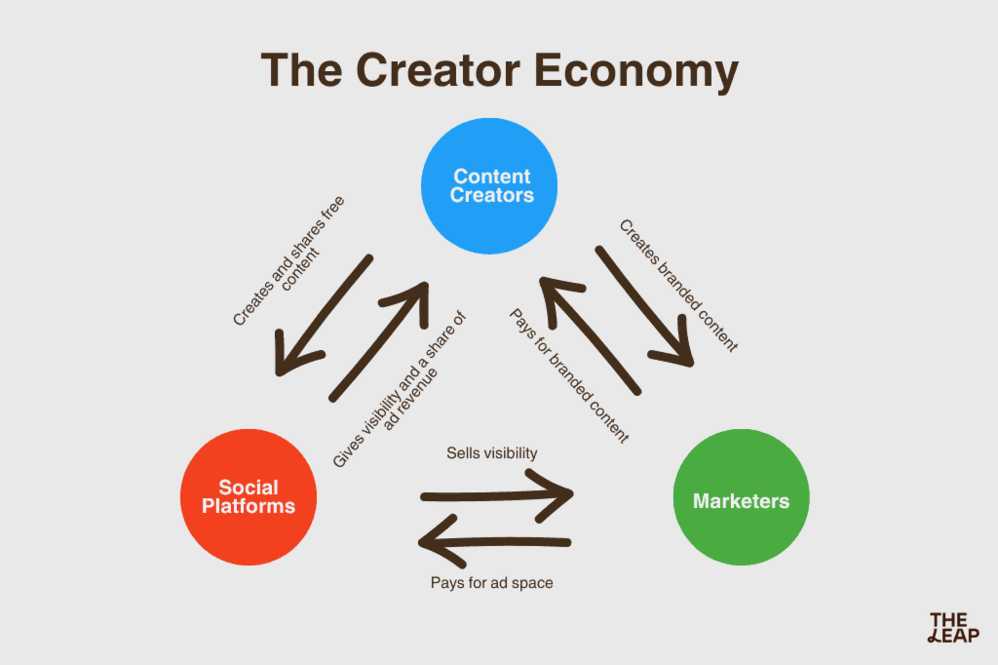
The creator economy is an economic ecosystem built around individual creators who produce content, skills, or experiences and monetise them directly through digital platforms.
YouTube, Patreon, TikTok, Substack, Etsy, and Twitch are some of the primary infrastructure.
The individual creator, not a corporation, studio, or publisher sits at the centre.
Monetisation takes many forms, including advertising revenue, brand partnerships, subscription models, merchandise, online courses, and direct audience support.
What makes the creator economy distinct is that barriers to entry are low, audiences can be built globally, and the relationship between creator and consumer is far more direct than in traditional media or retail.
What Are the Main Advantages of the Creator Economy?
Democratisation of entrepreneurship is the creator economy's most significant structural advantage, according to Akin Chaktty, a social influencer.
He emphasises that anyone with a smartphone, a skill, and an internet connection can theoretically build an audience and generate income.
Traditional gatekeepers-publishers, record labels, TV networks are no longer the only path to reach a large audience.
According to a 2023 report by Adobe, there were approximately 303 million creators worldwide, with the number growing steadily year over year.
Flexibility and autonomy are deeply attractive to a generation sceptical of traditional employment.
Creators set their own schedules, choose their topics, and own their creative output. This autonomy is both financially and psychologically valuable.
Direct audience relationships give creators a level of market feedback that most traditional businesses can only envy.
A creator who publishes a Substack newsletter or posts on TikTok gets immediate, unfiltered responses from their audience.
This tight feedback loop enables faster iteration and a more genuine connection with customers.
Niche market creation is another underrated benefit. The creator economy rewards specificity.
A creator who builds a channel around restoring vintage typewriters or reviewing obscure Japanese horror films can find and serve an audience that traditional media would never bother with.
Niche communities generate loyal, high-value audiences.
What Are the Main Disadvantages of the Creator Economy?
According to Business Pally, income instability is a significant and persistent challenge in the creator economy.
The creator economy is not a meritocracy in the way it's often portrayed.
A small percentage of creators capture the vast majority of platform revenue.
According to a 2021 study by Linktree, only 12% of full-time creators earn more than $50,000 annually.
Most creators operate without the safety net of benefits, steady income, or job security.
Also, platform dependence creates systemic vulnerability.
A single algorithm change on YouTube or TikTok can decimate a creator's reach and income overnight.
Creators who build their entire business on one platform have no control over the rules of engagement.
This dependence is a structural risk that is difficult to mitigate fully, even with audience diversification strategies.
Burnout and mental health challenges are increasingly documented problems in the creator economy.
The pressure to publish consistently, maintain audience growth, and adapt to platform changes creates chronic stress.
High-profile creators, including prominent YouTubers and TikTok personalities have publicly spoken about the mental health toll of content creation as a profession.
Intellectual property concerns and content saturation compound these challenges.
As more creators enter the market, standing out becomes harder.
Content theft, unauthorised use of creative work, and the difficulty of enforcing intellectual property rights online are ongoing problems.
Saturation in popular niches makes audience-building progressively more difficult for new entrants.