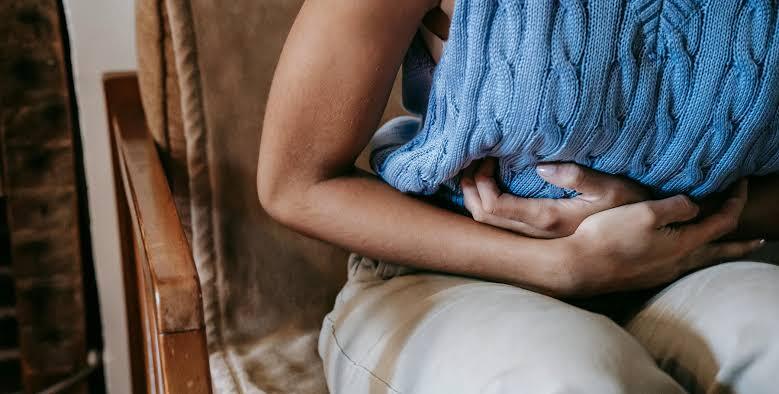
Menstrual cramp or pain, medically regarded as dysmenorrhea often makes life miserable for some women.
According to Healthpally's latest findings, not less than 60% of women experience mild menstrual cramps, and 5% to 15% report severe pain that affects daily activities, though this number is likely higher due to underreporting.
Among a variety of treatment options are muscle relaxers, but how effective they are calls for a debate.
What Are Muscle Relaxers, and How Do They Work?
Muscle relaxers are medicinal drugs primarily designed to alleviate muscle spasms and stiffness.
Their operation is centred around blocking nerve impulses in the muscles, directly from or to the brain or spinal cord, which essentially induces relaxation.
They are commonly used to treat musculoskeletal conditions, and have been contemplated for their impact on reducing other types of muscle tension as well.
However, it's worth noting that their effectiveness on menstrual cramps remains questionable as these pains are borne out of uterine contractions, not musculoskeletal issues, Dr Chaktty.
Types of Muscle Relaxers
Name | Primary use | Common side effects | Over-the-counter/ Prescription status |
Cyclobenzaprine | Alleviating musculoskeletal conditions | Nausea, drowsiness & dry mouth | Prescription |
Tizanidine | Tackling muscle spasms | Dry mouth & fatigue | Prescription |
Hyoscine Butylbromide (Buscopan) | Providing comfort against abdominal and menstrual cramps | Constipation & blurred vision | Prescription |
Carisoprodol (Soma) | Reducing musculoskeletal pain | Headache & dizziness | Prescription |
Are Muscle Relaxers Effective for Menstrual Pain?
At the root of menstrual cramps or dysmenorrhea are uterine contractions triggered by prostaglandins, a group of hormone-like substances that lead to inflammation and pain.
It's this origin of menstrual pain that distinguishes it from muscle spasms targeted by muscle relaxers.
Since menstrual cramps originate from uterine contractions, the role of muscle relaxers for their relief is generally not profound, Sexpally.
As these medications aren't equipped to reduce prostaglandin production and the subsequent uterine contractions, they're not regarded as particularly effective for treating menstrual cramps.
NSAIDs and other anti-inflammatory medications are more effective for menstrual pain relief as they interfere with prostaglandin production, Akin Chaktty said.
Benefits and Limitations of Using Muscle Relaxers
The Potential Upsides
While they may not be the preferred choice for primary relief against menstrual cramps, muscle relaxants can occasionally aid in relieving secondary pain such as lower back discomfort.
However, this use remains unendorsed as a primary indication and should be taken up after a full understanding of its limitations.
Possible Downsides or Risks
Side effects such as drowsiness, dizziness, nausea, or potential dependencies with prolonged usage.
Not all muscle relaxers are specifically designed to ease menstruation-related discomfort.
The sedative properties of some muscle relaxants may interfere with daily activities.
Who Should Consider Muscle Relaxers for Menstrual Cramps?
When to Use Muscle Relaxers
Muscle relaxers should not be regarded as the first response to menstrual cramps, especially considering their inefficacy in providing primary relief against such pains.
However, in situations involving severe secondary muscular pain and under proper medical guidance, these medications might serve well.
When to Avoid Muscle Relaxers
Individuals allergic or prone to adverse reactions to any medication ingredient.
Individuals with a history of substance abuse or heightened sensitivity to sedation.
When the primary cause of pain is not muscular.
Tips for Safe Usage
Muscle relaxers, though not the best solution for menstrual pain, can be safely used by following these guidelines.
Make sure you discuss it with your doctor before commencing medication with muscle relaxers.
Follow prescribed dosages and avoid prolonged usage to prevent dependence.
Pair with complementary remedies such as hydration, yoga, or heat therapy for enhanced relief.
Pay attention to timing. Use these medications, preferably at night, while considering their sedative side effects.
Are There Alternatives to Muscle Relaxers for Menstrual Pain?
Yes! Over-the-Counter Medications
NSAIDs like ibuprofen and naproxen are regarded as the standard solutions against menstrual cramps.
For those who don't respond well to NSAIDs, Acetaminophen is the next go-to.
Heat therapy can provide substantial relief when coping with menstrual pain.
Gentle exercises and dietary adjustments such as increasing magnesium and/or omega-3 intake might also help in managing discomfort.
Studies show that exercise decreases pain intensity and duration.
Other options are hormonal birth control, which decreases dysmenorrhea by regulating hormonal imbalances.
Certain medications targeting prostaglandins, like mefenamic acid, can be prescribed in the case of severe menstrual pain.
Conclusion
Muscle relaxers might not provide the best relief against menstrual cramps.
Yet, their use in mitigating secondary muscular pain can't be completely ruled out.
Ensure comprehensive consultation with a healthcare provider before deciding on any treatment route.
Remember, the best solution is the one that fits you personally. Don’t disregard alternative remedies.
Instead, work towards a holistic approach that encompasses lifestyle changes and stress management alongside treatment for efficient management of menstrual pain.